
Website Care Package Review: What to Check
September 2, 2026
How to Stop Website Downtime Before It Costs You
September 6, 2026
A website rarely fails at a convenient time. It is usually when a customer is trying to send an enquiry, a product page needs changing, or a supplier asks why an old phone number is still showing online. If you are asking, “can someone manage my website?”, the short answer is yes. Ongoing website management exists for exactly this reason: to keep your site working, current and looked after without making you become the technical person in the business.
For many small companies, the website was built years ago and then left alone because there was no clear owner for the day-to-day work. That is understandable. Running the business has to come first. But an unattended website can slowly become inaccurate, vulnerable or harder to use, which can cost you enquiries and create an avoidable problem later.
What it means to have someone manage your website
Website management is not simply waiting for something to break. It is regular care of the systems, content and small jobs that allow your website to do its job properly.
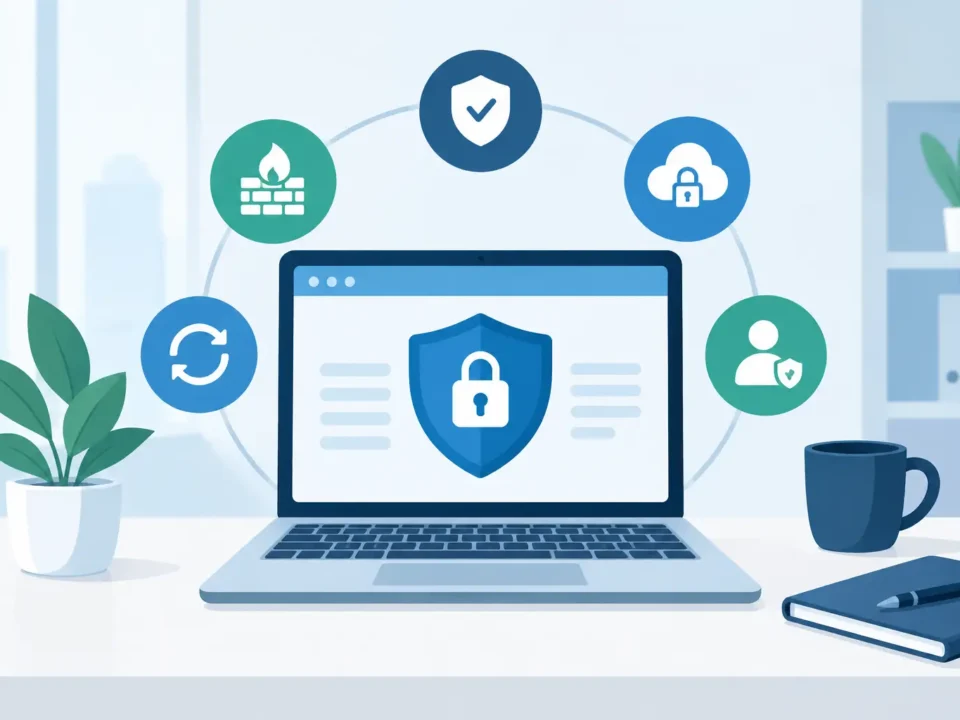
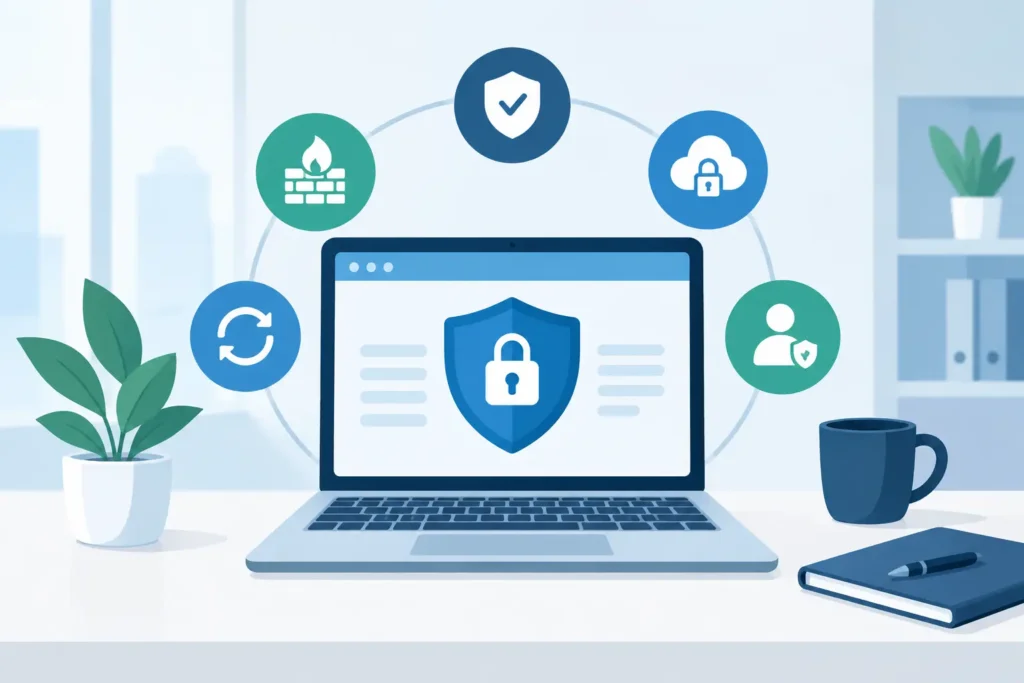
For a typical small business website, this can include keeping the website software, theme and plugins updated; checking that key pages and contact forms are working; making backups; monitoring basic security; and making agreed changes to text, images, services, staff details or opening hours. If your site sells online, it may also include product changes, order-related checks and support for the e-commerce system.
The exact service depends on the website and the support plan. A straightforward brochure website may only need routine maintenance and occasional content updates. A busy online shop, membership site or booking system needs closer attention because more moving parts can affect customers and revenue.
The key benefit is continuity. Rather than searching for a web designer every time an issue appears, you have a person or team who understands the purpose of your site and can deal with normal upkeep as part of an ongoing service.
Can someone manage my website if they did not build it?
Usually, yes. You do not have to return to the original developer, particularly if they are no longer available, are slow to respond or only take on larger projects. A capable website support provider can take over an existing site after reviewing how it has been built and what access is available.
There are a few practical checks first. The new provider will normally need access to your website hosting, domain settings, content management system and any important third-party services, such as your email provider, payment gateway or booking platform. Ownership matters here. Your business should remain the registered owner of its domain, hosting account and key subscriptions wherever possible.
Some older websites are more difficult to maintain than others. A site built with outdated software, heavily customised code or unsupported plugins may need repair work before it can be managed safely. That is not a reason to ignore it. It is a reason to have the site assessed honestly, with the likely costs and options explained in plain English.
The jobs that should not be left until later
Not every website task needs urgent attention, but some are far easier and less expensive when handled regularly. Software updates are a good example. WordPress and similar platforms rely on a core system, themes and plugins. If these are ignored for too long, security risks and compatibility problems can build up.
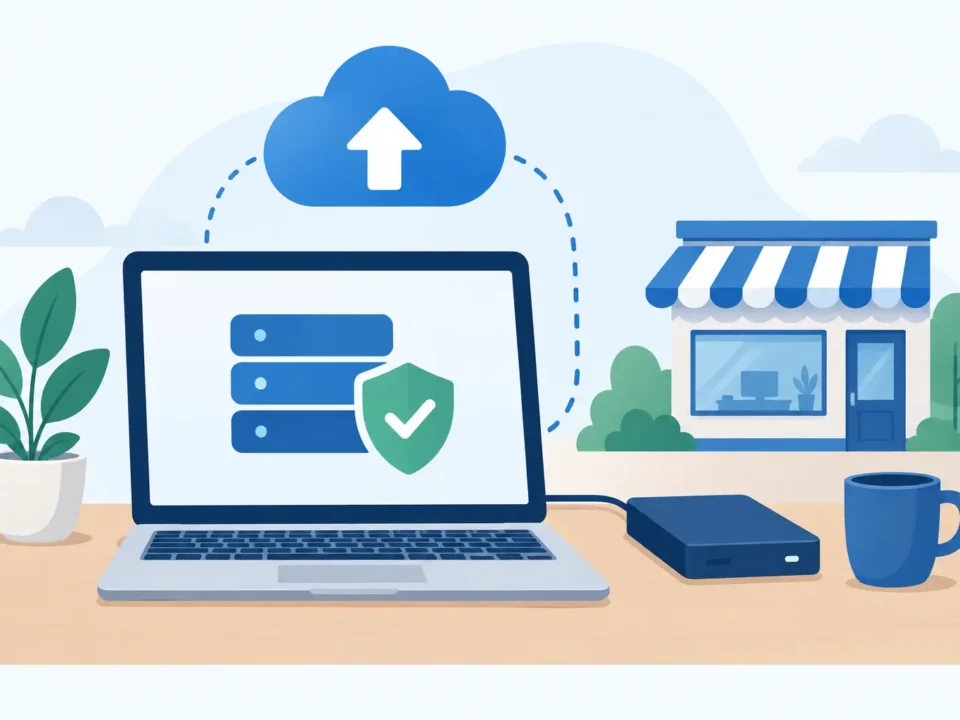
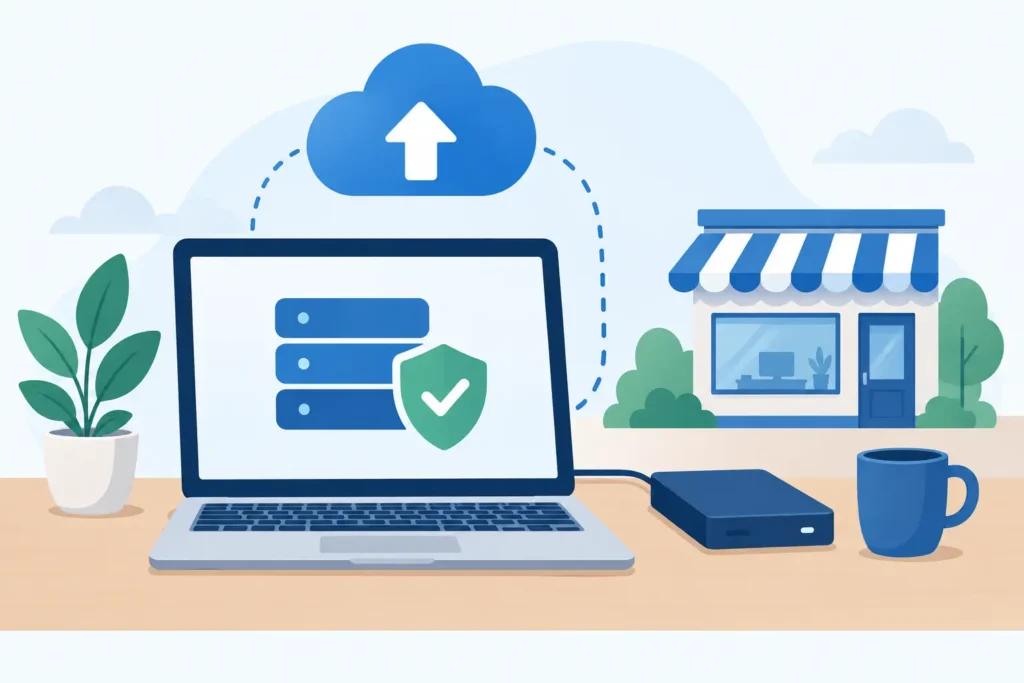
Backups are another basic safeguard. If an update goes wrong, a server has a problem or a page is changed by mistake, a recent backup gives you a route back. It is reassuring to know that a working copy exists before a major issue forces the question.
Then there is content. An old price, out-of-date service description or disconnected telephone number can be as damaging as a technical fault. Visitors may assume the business is no longer active or simply move on to a competitor. Small, timely changes help your website reflect the business you are running now.
Your contact form, enquiry process and checkout also deserve routine testing. These are the parts of the site most closely tied to income. A good-looking website is of limited use if messages are not arriving or customers cannot complete a purchase.
What a website management service should include
The right service should be clear about what is included, how requests are made and how quickly you can expect a response. Vague promises of “full support” can lead to confusion when you need help most.
At a minimum, look for planned updates, backups, security checks and a sensible route for reporting faults. If you expect regular edits, make sure your plan includes content changes rather than treating every new paragraph or image as a separate job. Businesses with online shops should also check that e-commerce support is specifically covered.
It is worth asking about proactive work too. Some providers only react when you identify a problem. Others monitor the site, carry out routine maintenance and raise concerns before they affect visitors. For a business owner with limited time, the second approach is usually more useful.
Price should be straightforward. A low annual plan can suit a stable small business site, while more active websites may justify a higher level of cover. What matters is that the service matches the amount of work and responsiveness you genuinely need. Paying for advanced optimisation when you only need reliable updates is unnecessary. Choosing a basic plan for a high-volume online shop can be equally false economy.
How to hand over website management safely
A sensible handover starts with gathering the information that belongs to your business. This includes hosting and domain logins, website administrator details, licence information for paid plugins or themes, and access to services connected to the site. Keep these details secure, but do not allow them to exist only in a former developer’s inbox.
Next, agree what success looks like. You may want routine maintenance handled quietly, a monthly report, or a simple email confirmation after updates. You may need a certain response time if the site goes down, or a set number of content changes each month. Setting this out at the beginning avoids assumptions on both sides.
It also helps to identify the pages that matter most. For a local service business, that may be the contact page, service pages and map details. For an online retailer, it is likely to be product availability, payment, delivery information and checkout. This gives the support provider a clear view of what needs protecting first.
Finally, ask how changes are approved. Most routine edits are simple, but a new price list, policy wording or major design alteration should be checked by someone in your business before it goes live. Management should make life easier, not remove your control.
When ongoing support is better than one-off fixes
One-off website fixes have their place. If your site has a single broken page or you need a short-term repair, paying for that work may be the right option. The difficulty comes when one-off jobs become a pattern. Each issue means finding someone available, explaining the history of the site and hoping they can access the right accounts.
An ongoing plan replaces that stop-start process with a regular relationship. Your provider can keep a record of the site, deal with smaller issues before they grow, and make normal updates without a new quotation every time. For many small businesses, that predictability is more valuable than an occasional cheap repair.
My Website Needs Help provides this kind of continuing care for businesses that want their site kept functional, updated and protected without the cost of an in-house web team. With annual plans available below £300 for suitable sites, website support can be a manageable business expense rather than an unpredictable emergency.
Your website should support the business, not distract from it
You do not need to understand plugin versions, hosting settings or error messages to take proper care of your website. You do need to know that somebody responsible can deal with them when they matter.
A well-managed website stays accurate, gives customers confidence and is less likely to create a problem at the worst possible moment. If your site has become another task that sits on your list for months, handing over its routine care can be one of the simplest ways to give yourself time back for the work only you can do.