
Website Accessibility for Small Businesses
August 31, 2026
Can Someone Manage My Website for My Business?
September 4, 2026
A website that looks fine this morning can still be costing your business money. An expired plugin, a broken contact form or an old opening-hours page can quietly put enquiries, sales and credibility at risk. This website care package review explains what you should expect from ongoing website support, what to question before paying annually and how to choose cover that suits the way your business operates.
For most small businesses, the decision is not about finding the most technical provider. It is about knowing there is someone responsible for keeping the site live, secure, current and useful while you get on with customers, staff and the day-to-day running of the business.
What is a website care package?
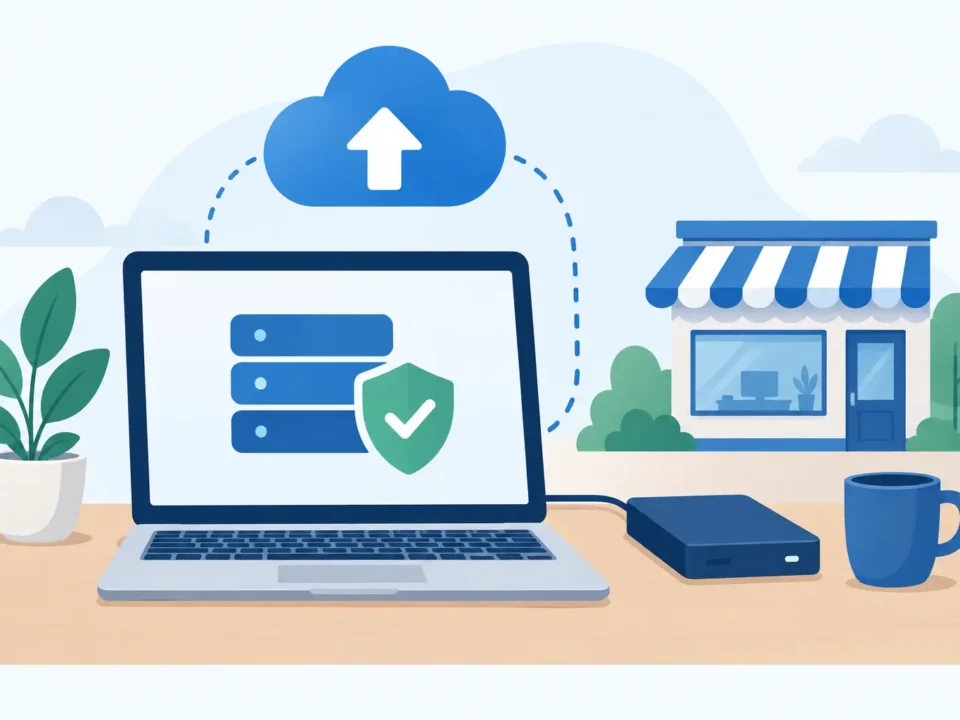
A website care package is a recurring service for the jobs that do not end when a website goes live. It normally combines routine maintenance with a level of ongoing support. Depending on the plan, that can include software updates, security checks, backups, fault fixing and changes to text, images or pages.
The key word is recurring. Paying someone to build or repair a site once does not mean they will monitor it next month or step in when an update causes a problem. A care package gives you continuity. The provider gets to know your website, its setup and the parts that matter most to your business.
That continuity is particularly valuable if you do not have an in-house web person. Instead of searching for help whenever something goes wrong, you have an agreed route for support and a clearer idea of what is covered.
Website care package review: start with the real risks
It is easy to compare packages by the number of features listed. That can be useful, but it is not the best place to start. First consider what would happen if your website stopped doing its job for a few days.
If your site is mainly an online brochure, your priorities may be keeping the software updated, maintaining backups and making occasional content changes. You may not need a high level of monthly development time. A straightforward plan can be enough, provided it includes a reliable response when something breaks.
If you take bookings, collect leads, sell products or rely on the site for regular customer enquiries, the stakes are higher. A failed checkout, missing confirmation email or broken booking form can affect revenue immediately. In that case, a package with e-commerce support, faster response times and more active monitoring is usually worth considering.
The right plan depends on your website’s role, not on what sounds most impressive. Paying for advanced optimisation you will never use is wasteful. Equally, choosing the cheapest option without checking its limits can leave a gap exactly when you need help.
The essentials a good package should cover
A sensible care package should deal with prevention as well as repair. Fixing problems after customers spot them is rarely the ideal approach.
Updates that are checked, not just installed
Most business websites use a content management system alongside plugins, themes and other software. These need updating to reduce security risks and keep the site compatible with current technology. However, updates can occasionally cause conflicts.
Ask whether updates are tested and whether the provider will put things right if an update affects the site. “Updates included” sounds reassuring, but it means more when there is someone accountable for checking the result.
Backups and a recovery plan
A backup is only useful if it is recent, stored safely and can be restored when required. Find out how often backups are taken, how long they are kept and whether restoration is included in the package.
It is also reasonable to ask what happens after a serious issue, such as a hacked website or a failed update. A clear answer is better than a vague promise that the site is “protected”. No service can guarantee that nothing will ever go wrong. What matters is whether there is a practical plan to recover quickly.
Security and basic monitoring
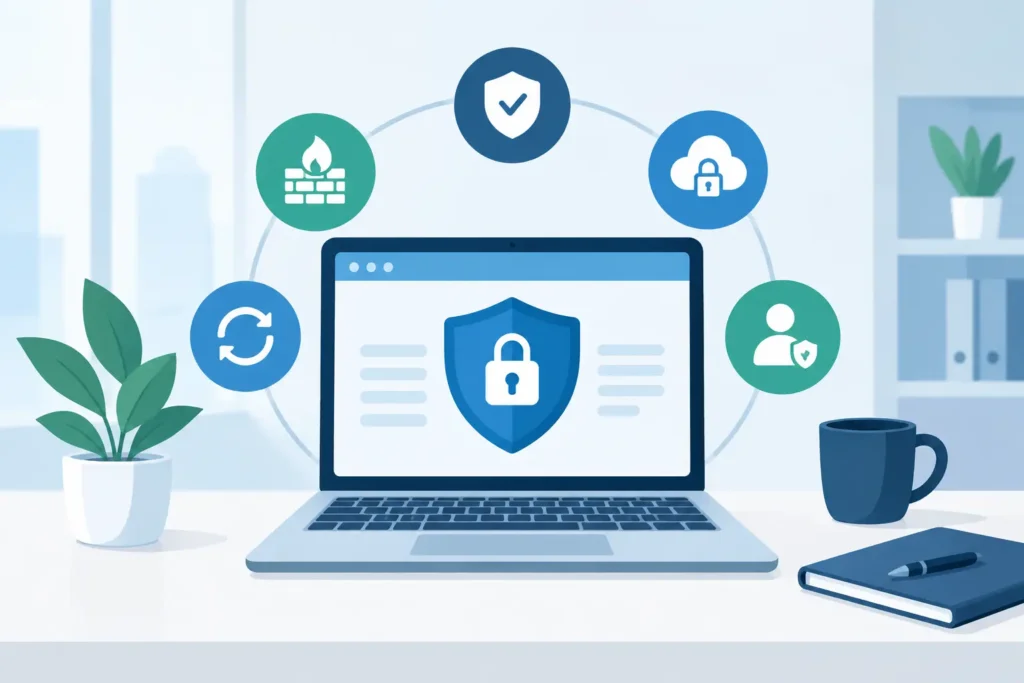
Security work may include malware checks, software updates, protection against suspicious activity and monitoring for downtime. The precise tools will vary, but the outcome should be clear: issues are found earlier and handled by someone who understands the site.
Do not assume every security-related job is included. Some packages cover routine prevention but charge separately for a major clean-up after an attack. That is not automatically unreasonable, as serious incidents can require substantial work. It simply needs to be clear before you subscribe.
Content changes that keep the business current
Small changes are often the reason a business needs ongoing support in the first place. A new team member, revised service, updated price, seasonal notice or replacement photograph should not require you to learn website software or pay an unpredictable fee each time.
Check what counts as a content update. Changing existing copy and images is different from designing a new page, adding special functionality or rewriting a whole section of the site. A good provider will explain the distinction in plain English rather than treating every request as a technical mystery.
Check the limits before you compare the price
Affordable annual pricing is a real benefit, especially for smaller firms watching costs. But a low price only represents good value if you know what you receive for it. Read the package description for practical limits, not just headline claims.
The most useful questions are these: how quickly will someone respond, how many changes are included, what work falls outside the plan and what does additional work cost? You should also establish whether hosting, domain renewal, email support and third-party licence fees are included or separate.
Response time deserves particular attention. “Support” can mean anything from an answer within a few working days to urgent action on a business-critical problem. Neither is necessarily wrong. A restaurant taking online bookings, for example, may need quicker help than a local consultant whose site is primarily a reference point. Match the service level to the cost of downtime for your business.
Also check how requests are handled. A clear process for sending changes, reporting faults and approving extra work saves time on both sides. You should not have to chase a different person each time or explain your website from the beginning whenever you need assistance.
Beware of care packages that are too vague
Some providers use broad phrases such as “full support” or “complete website management” without explaining what that means in practice. These phrases may be well intentioned, but they do not help when a problem arises.
A dependable package sets expectations. It should say whether it covers core maintenance, routine edits, troubleshooting, performance work and online shop support. It should also explain what is outside scope, such as a full redesign, bespoke development, new branding or a large content project.
Clarity protects both parties. You know when to expect help as part of your subscription, and the provider can give proper estimates for work that is genuinely separate. This is far better than discovering an unexpected bill after the work has begun.
When basic care is enough, and when it is not
A basic plan is often the right choice for a stable, simple website that needs protection and occasional attention. If the site has a small number of pages, no complex integrations and limited changes, paying for a premium package may not make commercial sense.
Move up a level when the website has a more direct effect on turnover or customer service. Online shops, membership sites, booking systems and regularly updated marketing sites usually need more hands-on support. They may also benefit from performance improvements, conversion checks and regular reporting.
There is a middle ground, too. You may start with essential care, then add project work when launching a new service or improving a key page. A flexible provider should be able to advise honestly rather than pushing you into the largest package from day one.
Questions to ask before you subscribe
Before committing to annual website care, ask for clear answers to the following points:
- What routine maintenance is included each month?
- How are backups stored, and is restoration included?
- What is the usual response time for a fault or urgent issue?
- How many content changes are covered, and what counts as extra work?
- Does the package support online shops, forms, bookings or other key features?
- Who owns the website, login details and content if the arrangement ends?
The final question is often overlooked. Your business should retain access to the assets it relies on. A good support relationship is built on trust and service, not on making it difficult to leave.
Choose a provider that will still answer the phone
Website care is not glamorous, and that is exactly the point. It is about the routine work that prevents avoidable disruption and the practical support that gets your site back on track when an issue appears.
Look for experience, straightforward pricing and a package that reflects your actual needs. A provider such as My Website Needs Help is designed around this principle: keeping small business websites working and updated without making website management another job on your list.
Your website does not need constant reinvention. It needs consistent attention, sensible protection and someone dependable to deal with the details when they arise. Choose care that gives you that confidence, then put your time back into running the business.