
A Practical Guide to Website Content Management
August 13, 2026
Why Websites Go Offline and How to Prevent It
August 17, 2026
A checkout problem on a Friday afternoon can cost more than a few lost orders. It can leave customers questioning whether to trust your business at all. The best ecommerce support services help prevent that pressure building up in the first place, while giving you a dependable person to call when something does go wrong.
For a small business, an online shop is not a side project. It is a sales channel, a source of customer enquiries and often the first place people check before deciding to buy. Yet many owners are left managing product changes, payment issues, software updates and security warnings with no in-house web team to rely on.
The right support service keeps the practical jobs under control. It should protect the site, keep it current and deal with problems quickly enough that your business can continue trading.
What ecommerce support should cover
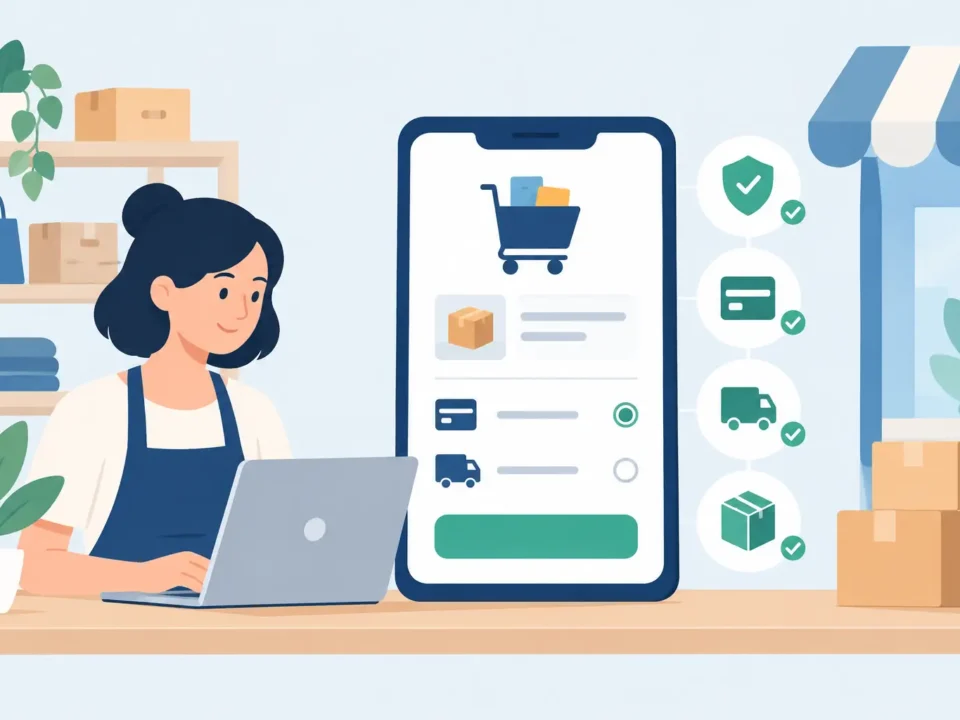
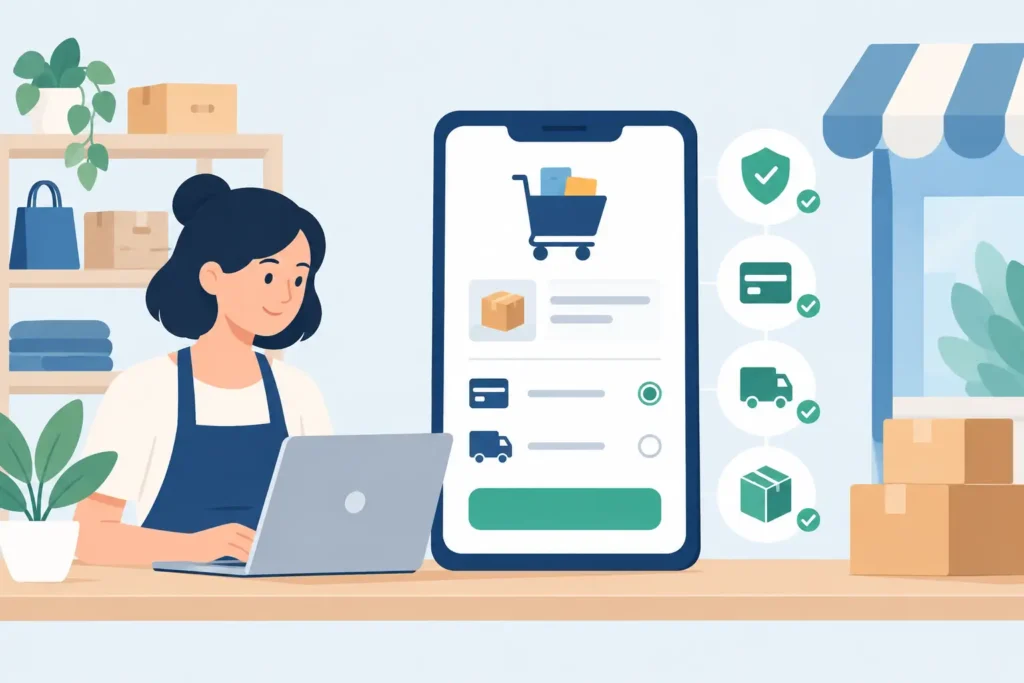
Ecommerce support is broader than fixing a broken page. A good provider looks after the working parts of your website that affect sales, customer confidence and day-to-day administration.
At a minimum, this usually means monitoring the site for faults, applying suitable updates, maintaining backups and dealing with security issues. It should also include help with the jobs that make an online shop useful, such as changing product details, updating prices, adding seasonal content or correcting delivery information.
The exact level of support depends on how your shop operates. A business with ten products and occasional online orders may only need regular maintenance and a small allowance for content updates. A busy shop with changing stock, promotions and several payment or delivery tools needs more hands-on care.
The key point is that support must cover the parts of the site that matter to your customers, not just the technical system sitting behind it.
Why the best ecommerce support services are ongoing
It is tempting to call for help only when there is a fault. That can work for a simple one-off issue, but it is an expensive way to run a business website over time. Problems are often easier and cheaper to deal with when someone is already maintaining the site.
Website software changes regularly. Plugins, themes, payment services and ecommerce platforms all release updates. Some improve security, while others are needed to keep different parts of the website working together. Leaving updates for months can create avoidable compatibility problems or expose the site to known security risks.
Ongoing support also gives your provider context. They know how your shop is built, what has been changed previously and which tools are essential to your sales process. When you need an urgent fix, they do not have to start from scratch.
That continuity matters most when an issue affects checkout, customer logins, contact forms or stock visibility. A quick response is valuable, but a support partner who already understands the website is usually more valuable still.
Start with the risks that could stop you trading
Before comparing packages, think about what would cause the biggest disruption to your business. For most ecommerce sites, the highest-risk areas are payments, security, backups, product availability and website speed.
If customers cannot complete a purchase, you need someone who can investigate the cause rather than simply tell you that the site is down. The problem could be a payment gateway update, a plugin conflict, a hosting issue or an expired service. Proper ecommerce support brings those checks together.
Backups deserve particular attention. A backup is only useful if it is recent, stored safely and can be restored when needed. Ask how often backups are taken and what happens if a failed update or security incident requires the site to be recovered.
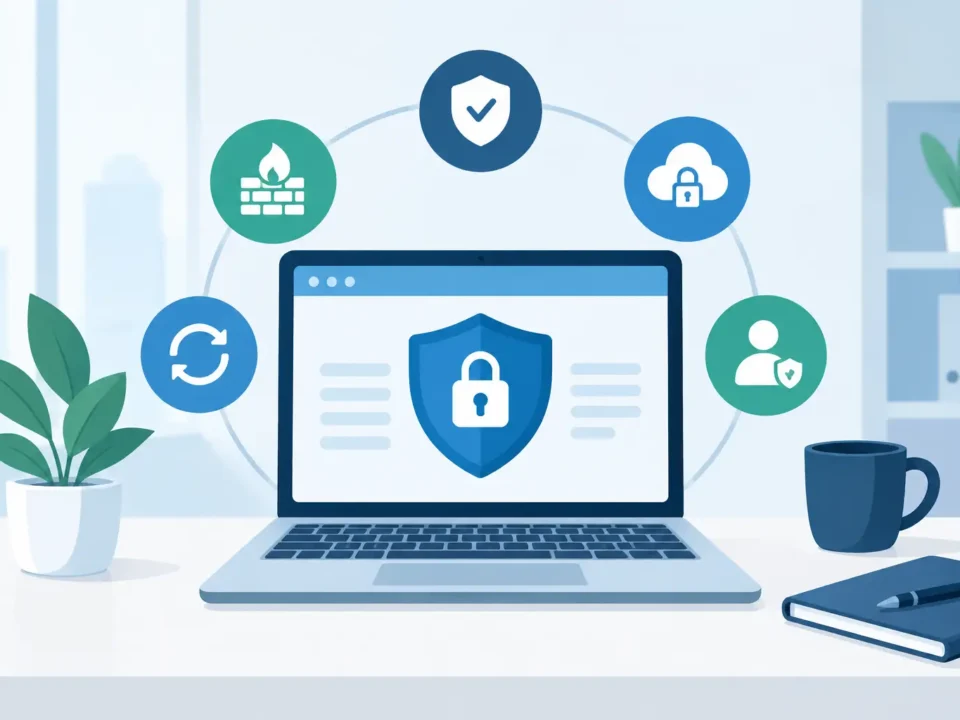
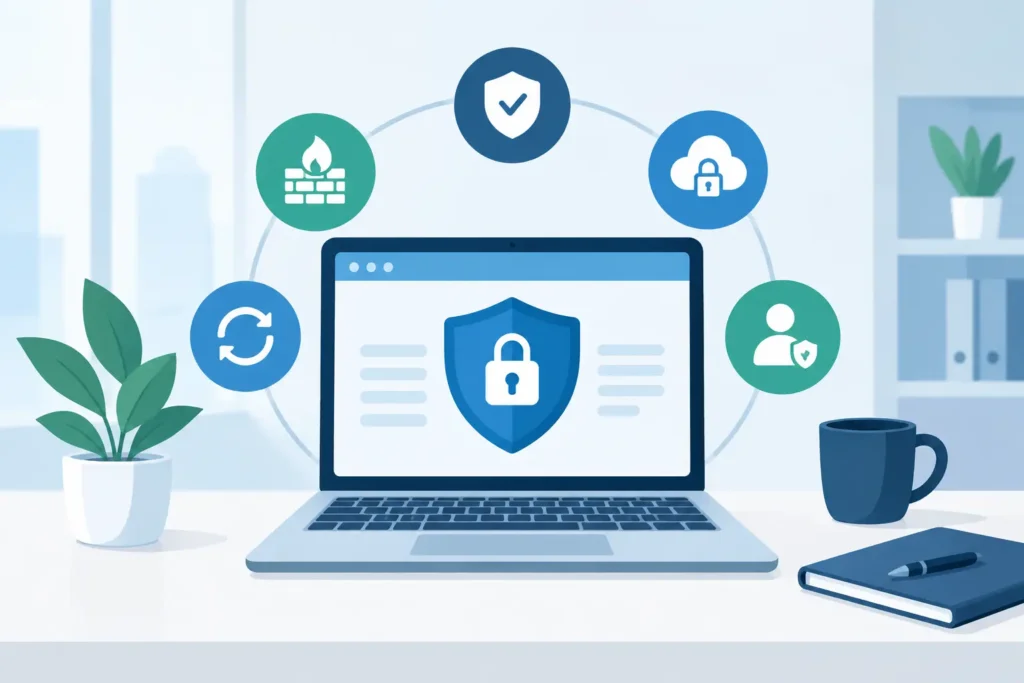
Security should be treated in the same practical way. No provider can honestly promise that a website will never be targeted. What they can do is reduce the risk through routine maintenance, sensible security measures and prompt action when something looks wrong.
Look for support that includes everyday changes
Many ecommerce websites do not fail because of a major technical incident. They lose sales because a product is out of date, a price is wrong, an offer has expired or a delivery message has not been changed.
This is where a maintenance plan can save time every week. Instead of trying to remember how to edit a page or waiting until several small changes have piled up, you can send the work across and keep the site accurate.
Check what the provider means by content updates. Some plans include straightforward text and image changes but charge separately for new products, complex product variations or larger campaign pages. That is not necessarily a problem, provided the boundaries are clear before you subscribe.
For a small business, clarity is often more useful than a long list of vague promises. You need to know what is included, how requests are sent and how quickly routine changes are normally completed.
Questions to ask before choosing ecommerce support
A support package should be easy to understand. If the service description is full of technical language but does not explain what happens when you need help, keep looking.
Ask these practical questions before making a decision:
- Does the plan include regular website, plugin and security updates?
- Are backups included, and can the website be restored if needed?
- Will the provider help with product, price, image and page updates?
- What is the usual response time for urgent ecommerce faults?
- Are checkout, payment and delivery-related issues within the service scope?
- What work is charged separately, and how are additional costs agreed?
The answers will show whether you are buying genuine ongoing care or simply a basic monitoring service. Both have a place, but they are not the same thing.
Price matters, but so does the scope of care
Small businesses should not have to pay agency-level fees for routine website upkeep. A sensible annual support plan can provide valuable protection at a manageable cost, especially where the website is relatively straightforward.
However, the cheapest option is not always the best value. A low-cost plan that excludes the tasks you regularly need can leave you paying for ad hoc work every time a product or promotion changes. Equally, there is little point paying for a highly advanced package if your shop only needs modest maintenance.
Choose a level of support that fits your current needs, with room to move up if your online sales activity grows. A provider should be able to explain the difference between plans in plain English, without pushing you towards features that do not serve your business.
For example, a basic plan may be suitable for core updates, checks and occasional fixes. An ecommerce-focused plan should go further by allowing for shop-specific support and more regular changes. A premium level may make sense if rapid response, optimisation work or frequent requests are central to how you trade.
Do not overlook speed and customer experience
Support is not only about reacting when something breaks. It can also help keep the shopping experience straightforward for customers.
Slow pages, unclear product information and errors on mobile devices all affect sales. A provider may not be able to transform an old website into a high-performance shop through routine maintenance alone, but they should spot obvious issues and explain what needs attention.
There is a trade-off here. Ongoing support keeps a site healthy, but it is not a substitute for a larger redevelopment when the website has outgrown its structure or functionality. A trustworthy provider will tell you the difference rather than endlessly patching a site that needs more substantial work.
That honest advice is especially useful when ecommerce features become more complex. Subscription products, booking systems, trade pricing, stock integrations and multiple delivery rules can all require specialist development beyond a standard support plan.
Choose a provider you can rely on
The best relationship is simple: you tell your support provider what needs doing, they handle it properly and keep you informed without filling your inbox with jargon. You should not have to chase for updates or wonder whether anyone is responsible for the site.
Look for clear communication, realistic timescales and a provider with experience of looking after websites over the long term. For UK businesses, a local, accessible service can also make a difference when you want direct answers and straightforward pricing in pounds.
My Website Needs Help provides this kind of ongoing website care for small businesses that need their site kept working, updated and protected without the cost of an in-house team. The right plan lets you hand over the ongoing burden while retaining control of the decisions that affect your business.
Your online shop does not need constant attention from you. It needs regular care from someone who understands that every working page, accurate product detail and successful checkout helps keep your business moving.