
Website Security Maintenance for Small Business
June 6, 2026
Why Fast Website Support Response Matters
June 8, 2026
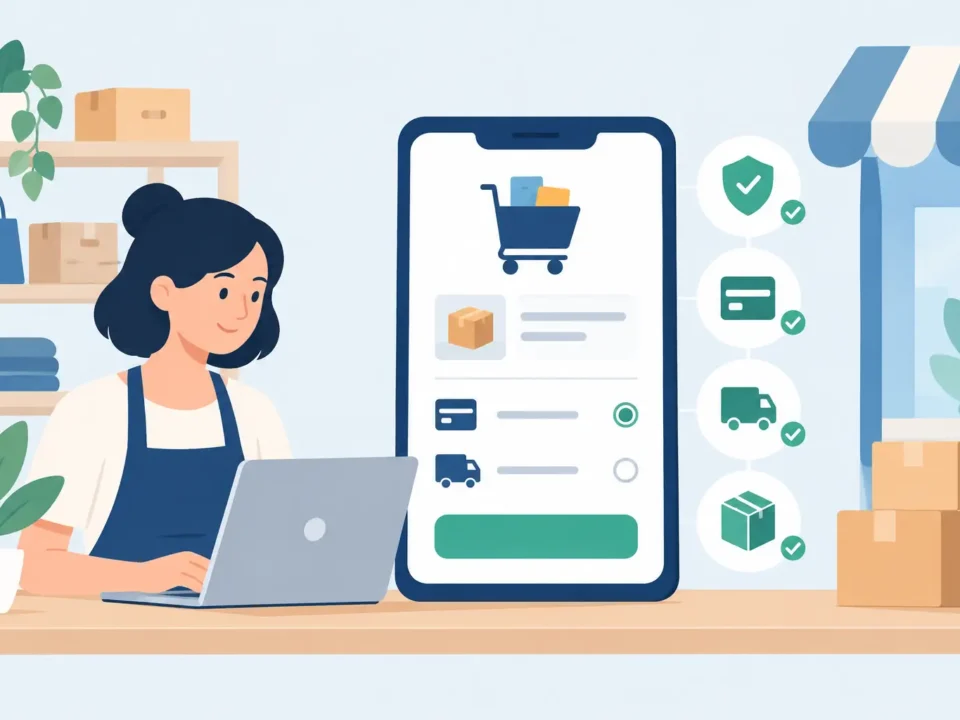
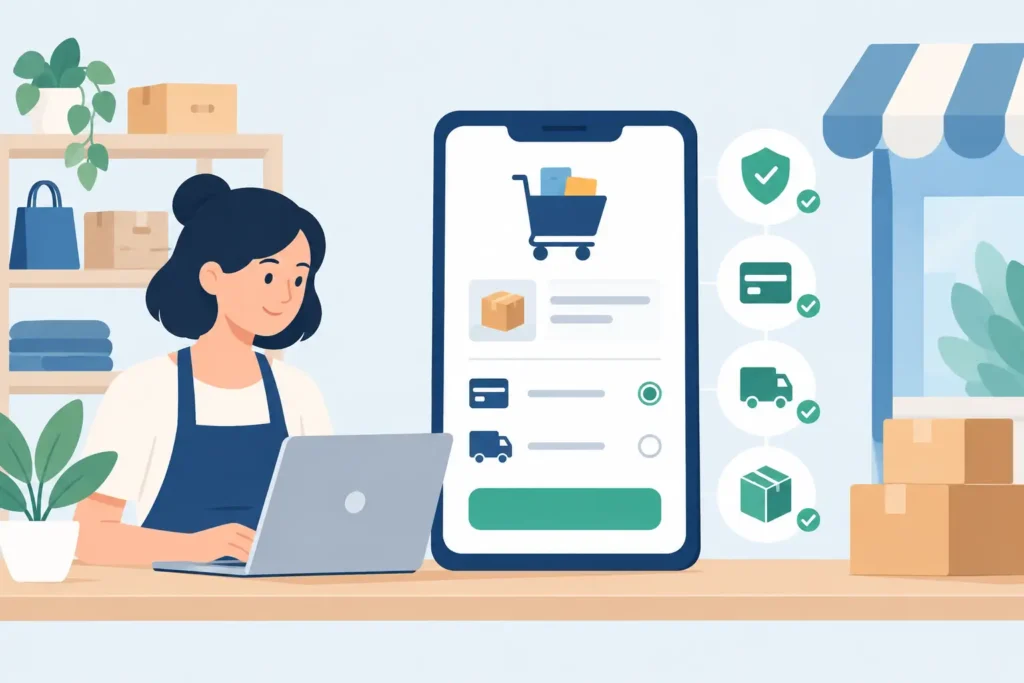
A small online shop rarely breaks at a convenient time. It goes wrong on a Friday afternoon, during a promotion, or just after you have sent customers to a product page that suddenly will not load. That is why ecommerce website support for small business matters. If your website sells for you every day, it needs ongoing care, not just a one-off build and a bit of hope.
For many small businesses, the website sits in an awkward middle ground. It is too important to ignore, but not important enough to justify a full-time web team. You still need someone to keep product pages current, deal with software updates, fix errors, check forms, monitor performance and step in when something stops working. Without that support, small issues can quietly turn into lost orders, frustrated customers and time you do not have.
What ecommerce website support for small business really means
Support is often misunderstood as emergency fixes only. In reality, proper ecommerce website support for small business covers the work that keeps your site stable week after week. That includes routine maintenance, content changes, plugin and platform updates, security checks, backup oversight, troubleshooting, speed improvements and help when trading issues appear.
For a small business owner, the value is not in the technical detail. It is in continuity. Your website stays available, your content stays current, and your checkout keeps functioning. You are not left searching for a developer every time a plugin clashes with your theme or a product image refuses to upload.
That ongoing relationship matters more for ecommerce sites than standard brochure websites. A basic company site can sit quietly for a while without much damage. An online shop cannot. Prices change, stock changes, offers expire, customer expectations shift and software updates keep coming. If nobody is looking after those moving parts, problems build up quickly.
Why small businesses struggle without ongoing support
Most small firms do not have a web specialist sitting in the office. Website jobs get pushed between the owner, an admin colleague or whoever seems least busy. That works until it does not.
The first problem is time. Updating products, checking order emails, adjusting delivery wording and testing forms all take longer than expected. The second is confidence. Even a simple update can feel risky if you are worried about breaking the layout or affecting checkout. The third is inconsistency. If site maintenance only happens when something goes wrong, important tasks get missed.
This is where support becomes commercially useful rather than simply convenient. A supported site is less likely to drift out of date, less likely to fall behind on updates and more likely to keep converting visitors into paying customers.
There is also a cost point that owners sometimes overlook. Doing it yourself feels cheaper, but only if nothing goes wrong and your time has no value. If one evening is lost to fixing a payment issue, rewriting a broken product page or chasing a host about downtime, the saving starts to disappear.
The areas of support that usually matter most
Not every small ecommerce business needs the same level of service. A shop with ten products and low weekly order volume has different needs from a business with frequent promotions and regular stock changes. Still, a few areas matter for almost every online seller.
Content and catalogue updates
An ecommerce site is never finished. New products need adding, old ones need removing, descriptions need improving and homepage messages need changing. Even simple jobs, if left untouched, make a business look inactive.
Support here is about keeping the site aligned with the reality of the business. If your store offers seasonal items, limited-time deals or changing service information, regular updates help avoid customer confusion and unnecessary enquiries.
Software updates and compatibility checks
Most ecommerce websites rely on a stack of moving parts. The core platform, theme, plugins, payment tools and shipping settings all need to stay compatible. Ignoring updates can leave your site exposed or unstable. Installing them carelessly can also cause problems.
That is why updates should be managed, not rushed. A good support service applies routine maintenance with care and keeps an eye on what each change may affect.
Security and website health
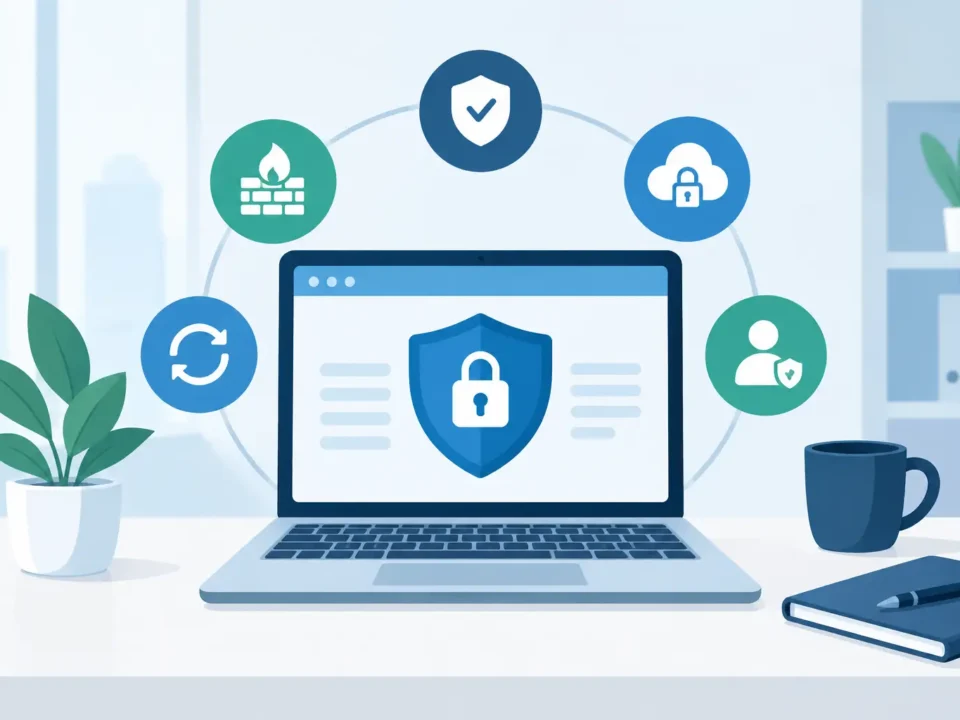
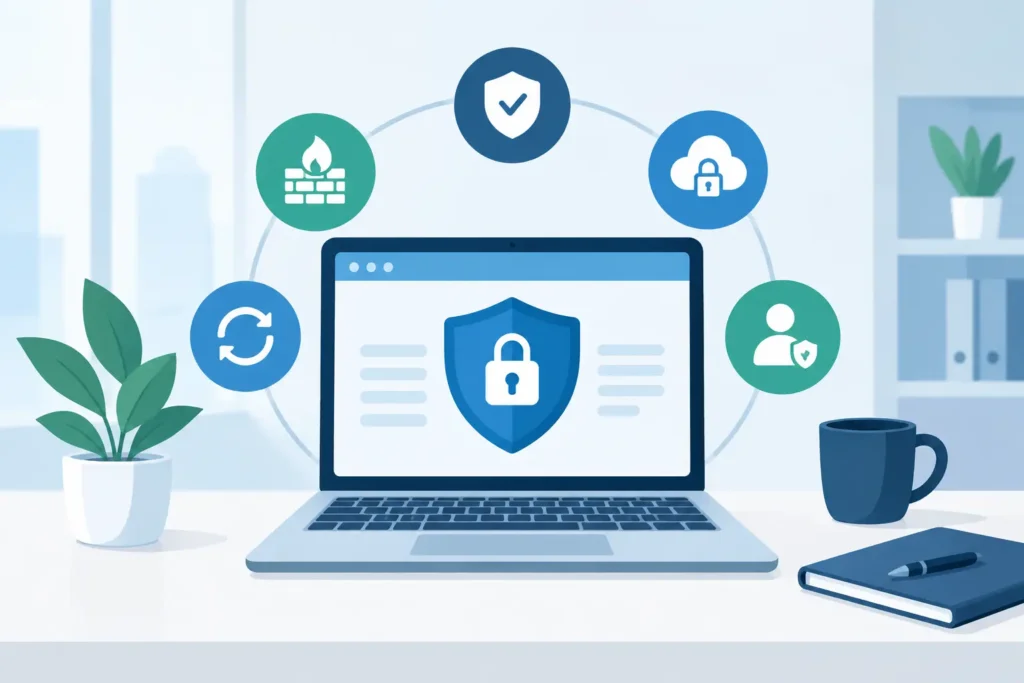
Small businesses are not too small to be targeted. Outdated plugins, weak admin setups and neglected websites are often easier targets than large corporate sites.
Support should include the basics done properly: monitoring, updates, checks for suspicious behaviour and a plan for dealing with issues quickly. Security is not just about preventing the worst-case scenario. It is also about reducing the everyday risk of spam, errors, downtime and loss of trust.
Performance and usability
Customers are impatient, particularly on mobile. If your category pages lag, your images are poorly sized or checkout feels clunky, sales can drop without any obvious warning.
Not every support provider will handle advanced optimisation, and not every small business needs it every month. But it helps to have access to performance improvements when the site starts slowing down or when growth exposes weaknesses.
What to look for in a support provider
The right support service should make life easier, not tie you up in jargon. Small business owners usually need clear scope, quick communication and sensible pricing. They want to know who is handling the work, what is included and how fast issues will be addressed.
A provider that only offers large bespoke projects may not be the best fit if what you really need is steady, affordable cover. Ongoing support works best when it is structured around practical recurring tasks, with options to scale if your site becomes more demanding.
Experience matters, but so does approach. A dependable support partner should be comfortable with the routine work as well as the awkward problems. That means not only handling fixes, but also managing the boring but necessary jobs that stop bigger issues developing.
It is also worth looking at cost in the right way. The cheapest option is not always the most economical if it excludes updates, limits response times or leaves you paying extra every time your shop needs attention. Equally, not every small firm needs a premium retainer packed with services it will never use. The best arrangement is usually one that covers core maintenance properly and gives you room to add more when needed.
When a package-based service makes sense
For many small businesses, a recurring package is more practical than ad hoc support. It gives you predictable costs and a clearer expectation of ongoing care. That matters when budgeting is tight and website work tends to arrive in bursts.
A package-based approach also encourages consistency. Instead of waiting until something fails, your website is looked after as part of normal business operations. Updates get done, changes get made and issues are picked up earlier.
That is one reason businesses often prefer a maintenance partner over a traditional build-only agency. Once the website is live, the real requirement is continuity. A straightforward support plan can be far more useful than occasional access to expensive development time.
For UK firms that want practical website care without building an internal team, this model is often the most sensible route. Businesses such as My Website Needs Help are built around that exact need: ongoing, affordable website management for owners who simply want the site handled properly.
Support should fit the stage your business is in
There is no single level of ecommerce support that suits everyone. If your shop is relatively simple, you may only need regular maintenance, security oversight and occasional content updates. If your site drives a larger share of revenue, you may need faster response times, more hands-on monitoring and support with optimisation.
The key is to be honest about dependence. If your website going down for half a day would seriously affect sales or customer confidence, minimal support is a false economy. If your online shop is still growing and order volume is modest, there is no point paying for enterprise-level cover.
It depends on how often your site changes, how much revenue it generates and how much disruption you can realistically absorb. Good support is not about buying the biggest package. It is about matching cover to commercial risk.
A website that sells needs someone to look after it
If your website is part of how you win business, take payment and present your company, it should not be treated as a side task. Ecommerce websites need regular attention to stay reliable, secure and current. For small businesses, that usually means having a support partner who can handle the work consistently and without fuss.
The real benefit is simple. You spend less time worrying about updates, errors and online shop problems, and more time running the business itself. That is where your attention is worth the most.