
How to Fix Broken Website Pages for Your Business
August 19, 2026
Website Maintenance Trends Small Firms Should Watch
August 23, 2026
A website rarely fails at a convenient time. It might be when a customer is trying to send an enquiry, when you are launching a new service, or when you simply do not have time to deal with a technical message. Knowing how to maintain a WordPress website helps you avoid those moments and keeps your site working as a useful part of your business.
For most small businesses, website maintenance is not about spending hours in a control panel. It is about making regular, sensible checks so problems are dealt with before they affect customers, search visibility or sales. A well-maintained site stays secure, loads properly and shows the right information when people need it.
How to maintain a WordPress website week by week
The best approach is regular care rather than waiting for something to go wrong. WordPress, its theme and its plugins all need occasional updates. Your content also needs checking, because an old phone number, expired offer or broken contact form can cost you enquiries just as easily as a technical fault.
A simple routine works well for many company websites. Each week, check that the site opens normally on a desktop and mobile phone. Test your contact form and review any recent enquiries. Look for obvious errors, slow pages or messages that do not look right.
At least once a month, review available updates and take a fresh backup before applying them. Check key pages such as your home page, services, contact page and any page where customers can buy or book. This is also a good time to check that your opening hours, prices, staff details and business information remain accurate.
The work may sound straightforward, but the detail matters. An update can occasionally conflict with another plugin or an older theme. That is why a backup and a quick test after every change are essential.
Keep WordPress, themes and plugins updated
WordPress updates often include security fixes as well as improvements. Leaving old software in place gives attackers more opportunity to exploit known weaknesses. The same applies to themes and plugins, particularly popular ones that are widely used across thousands of websites.
Do not update everything blindly, though. A site with a few carefully chosen, well-supported plugins is usually easier to maintain than one built from dozens of add-ons. Before updating, make sure you have a working backup. Afterward, check the pages and functions that matter most to your business.
If a plugin is no longer needed, remove it rather than merely deactivating it. Deactivated plugins can still become a security concern, and a cluttered WordPress installation is harder to manage. Equally, avoid installing a new plugin just to solve every small issue. Sometimes a simple change to an existing page or a little professional help is the better long-term option.
Back up your website properly
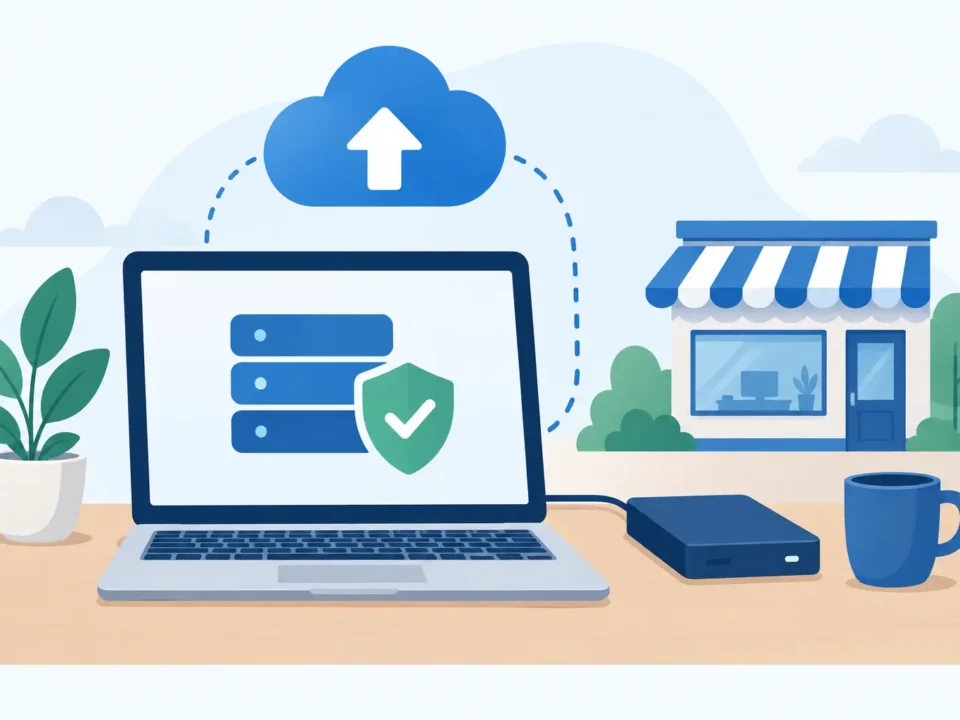
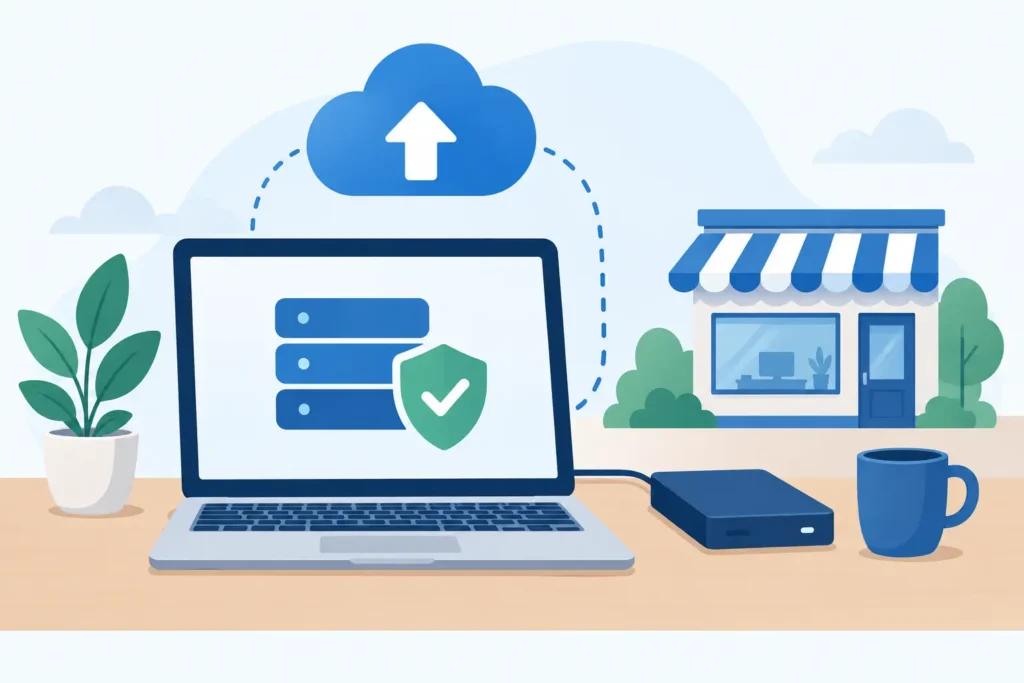
A backup is your safety net if an update goes wrong, a file is corrupted or your website is compromised. It should include both the website files and its database, which stores content, settings, user details and form information.
How often you need backups depends on how often the site changes. A brochure website updated once or twice a month may be fine with weekly backups. An online shop, membership site or business taking regular bookings needs more frequent copies, because lost orders or customer records can quickly become a serious problem.
Keep backups away from the same hosting account where possible. If the hosting account has an issue, a backup stored only there may not help. It is also worth checking occasionally that a backup can actually be restored. A backup is only useful if it is complete and accessible when you need it.
Protect your site and user access
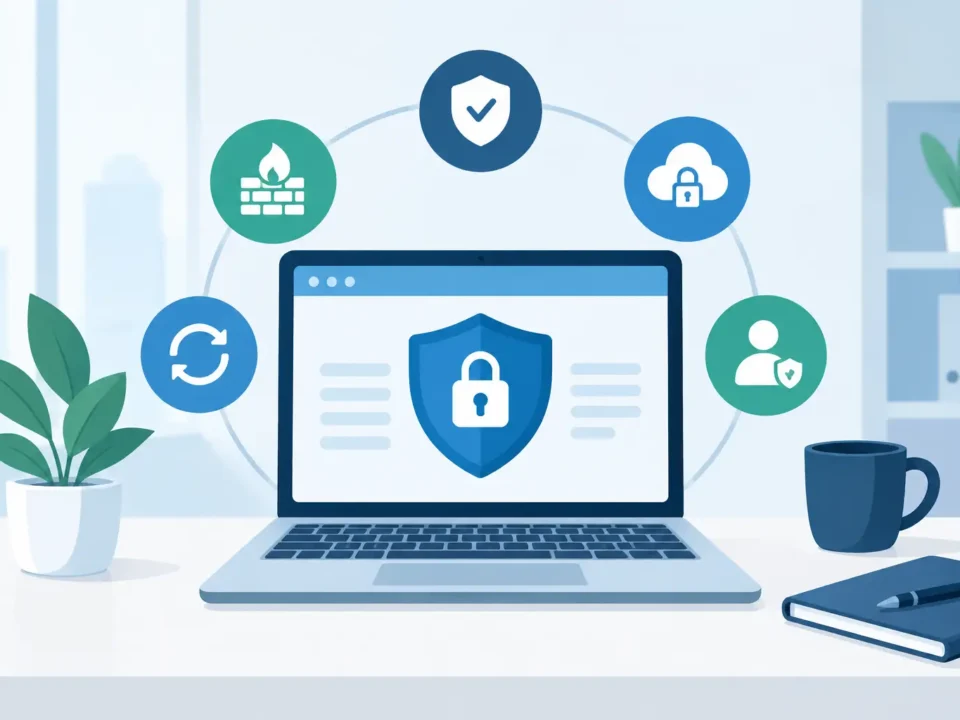
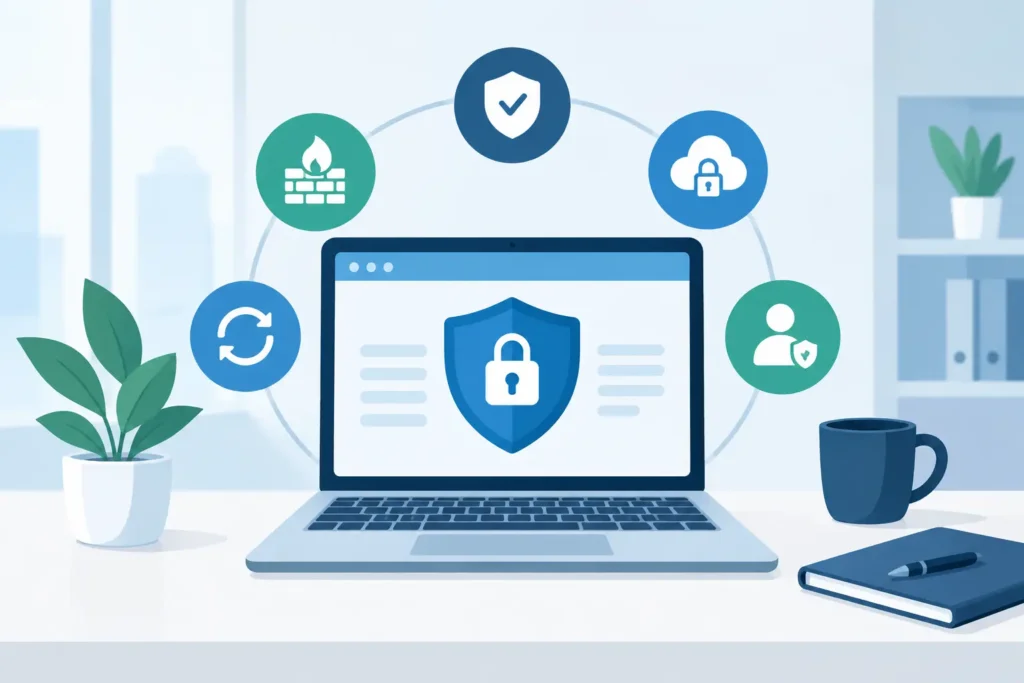
Good security is mostly about sensible habits. Use strong, unique passwords for WordPress administrator accounts, hosting, email and any connected services. Give people only the access they need, and remove old user accounts when a staff member or supplier no longer works with you.
Your website should use an active SSL certificate so visitors see HTTPS in their browser. This protects information submitted through forms and helps reassure customers that they are dealing with a legitimate business.
It is also sensible to limit the number of administrator accounts. Every additional login is another account to protect. If several people need to add news or edit pages, give them a suitable lower-level role instead of full administrator access.
Security tools can help, but they are not a substitute for updates, backups and proper access control. The right setup depends on your site. A small local service website does not need the same level of monitoring as a busy e-commerce shop, but both need basic protection and someone keeping an eye on them.
Check the parts customers actually use
Technical maintenance keeps the machinery running. Content maintenance makes sure the website still represents your business properly. Customers do not know or care whether a plugin is out of date. They notice if the telephone number is wrong, the quote form fails or a page takes too long to load.
Set aside time to review the customer journey. Can someone understand what you do within a few seconds of arriving on the home page? Can they find a service, call you, submit an enquiry or complete a purchase without confusion? Try the site as a first-time visitor would, especially on a mobile phone.
Pay particular attention to these areas:
- Contact forms, click-to-call buttons and email addresses
- Prices, service descriptions, availability and opening hours
- Images, downloads and links to other pages
- Shop products, payment processes, delivery details and stock messages
- Legal pages, privacy wording and cookie settings where relevant
Broken links and old information create doubt. They can also make a business appear less active than it is. A short, regular review is far easier than a major clean-up after two years of neglect.
Monitor speed, uptime and errors
A slow website can lose impatient visitors, particularly on mobile connections. Large images, too many plugins, poor hosting and outdated software can all affect loading times. You do not need to chase every technical score, but pages should open promptly and work reliably for real customers.
Keep an eye on whether the site is available, whether forms are delivering messages and whether there are error notices in WordPress or your hosting account. If customers report a problem, investigate it promptly. A fault that affects one page may be more damaging than you think if that page is where most enquiries begin.
Hosting also plays a part. Very cheap hosting can be adequate for a basic site, but it may not be the right fit for a growing business, a busy shop or a website with specialist functionality. The cheapest option is not always the lowest-cost choice if downtime, slow support or recurring faults take time away from your business.
Decide what to handle yourself and what to outsource
Some owners are comfortable making content changes and checking updates. Others would rather not log in unless they have to. Both approaches are reasonable. The key is making sure the work is genuinely being done by someone, on a reliable schedule.
Handling maintenance yourself can save money when the website is simple and you have time to learn the basics. The trade-off is that you become responsible for spotting issues, keeping backups, checking compatibility and dealing with problems when they occur.
A maintenance service is often better value when your time is limited or the website supports regular leads and sales. It gives you a clear point of contact for updates, fixes and routine care, without needing an in-house web team. For a small annual cost, the right plan can prevent the disruption and expense of an avoidable website failure.
My Website Needs Help provides ongoing website care for businesses that want their site kept updated, protected and working without adding another job to their week. The level of support should match the site you have, from basic updates and content changes to more involved e-commerce and optimisation work.
Your website should not be another operational headache waiting in the background. Put a regular maintenance routine in place, keep ownership of your key logins and backups, and make sure there is a dependable person ready to act when something needs attention.